In extreme environments, equipment failure is not an inconvenience. It is a mission risk.
Military and defense vehicles operate across deserts, mud, rock, snow, and unstable terrain. Tires are not just rubber components. They are load-bearing, impact-absorbing, traction-generating structural systems that determine mobility and survival capability.
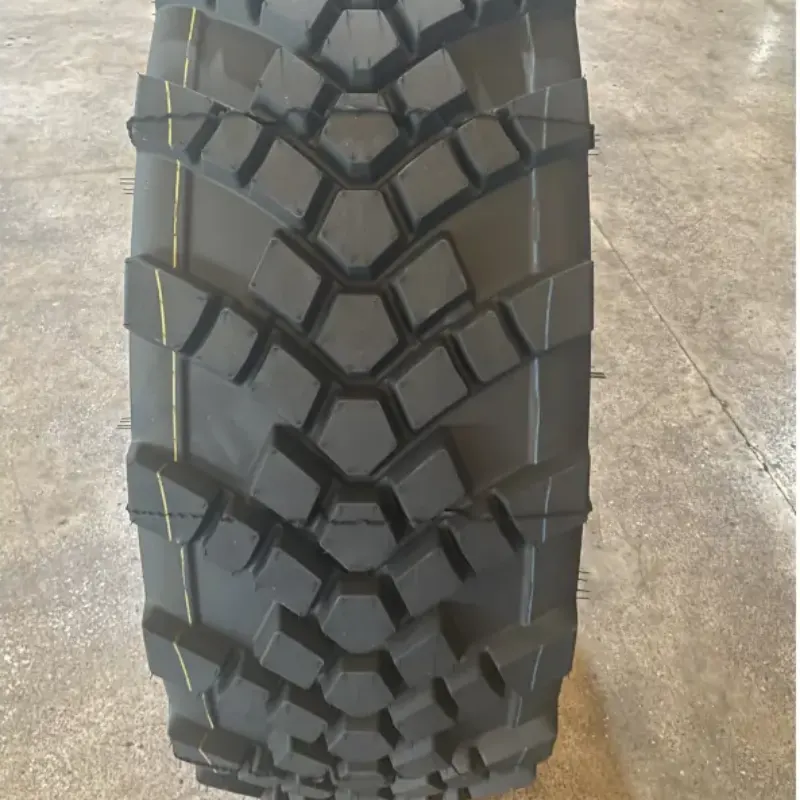
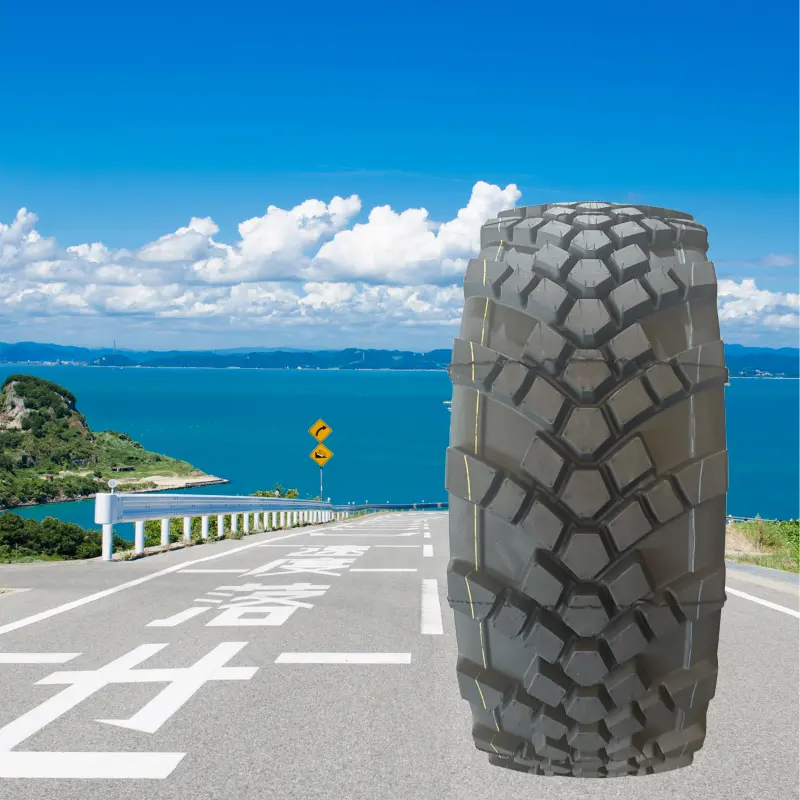
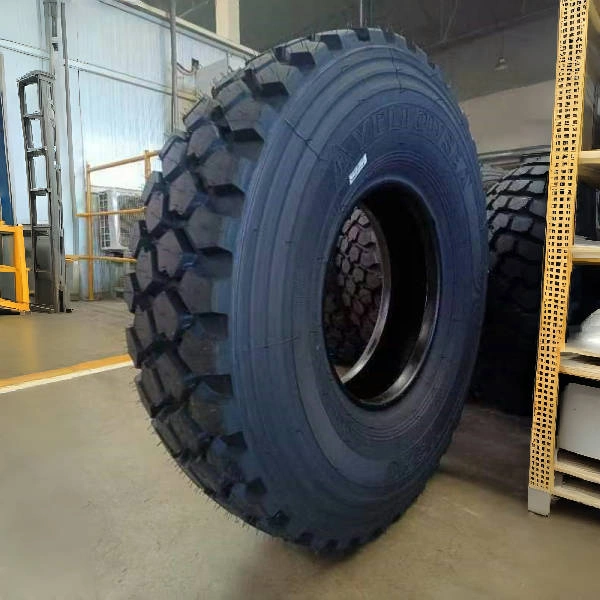
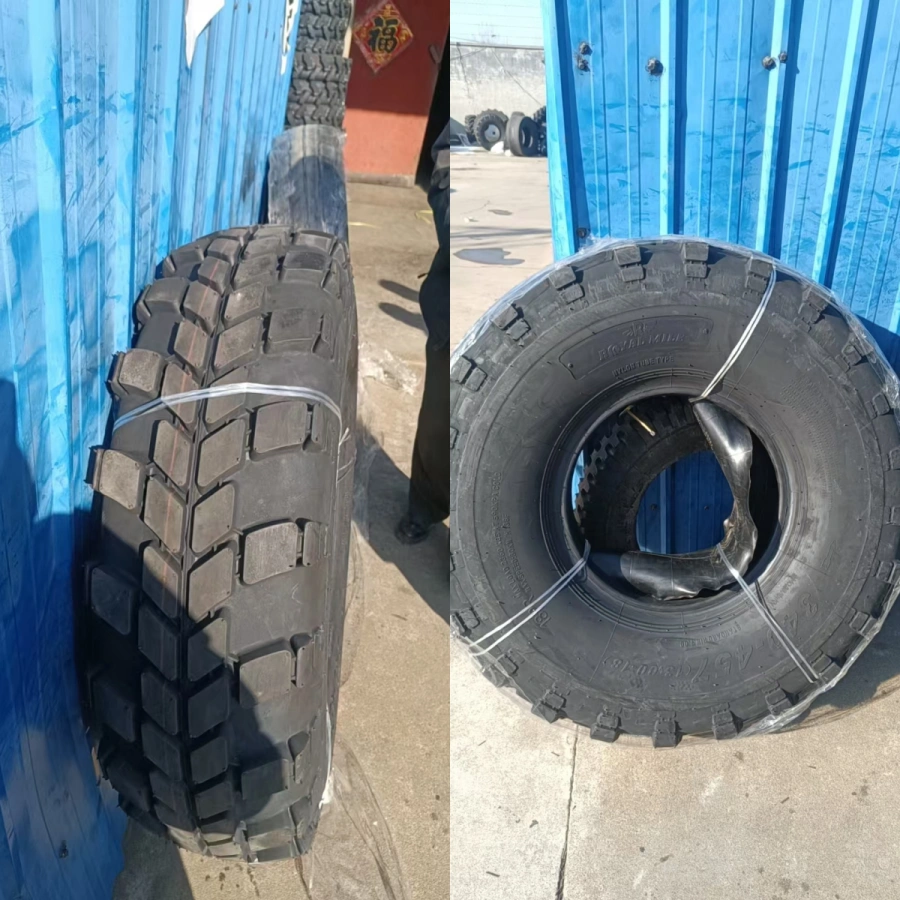
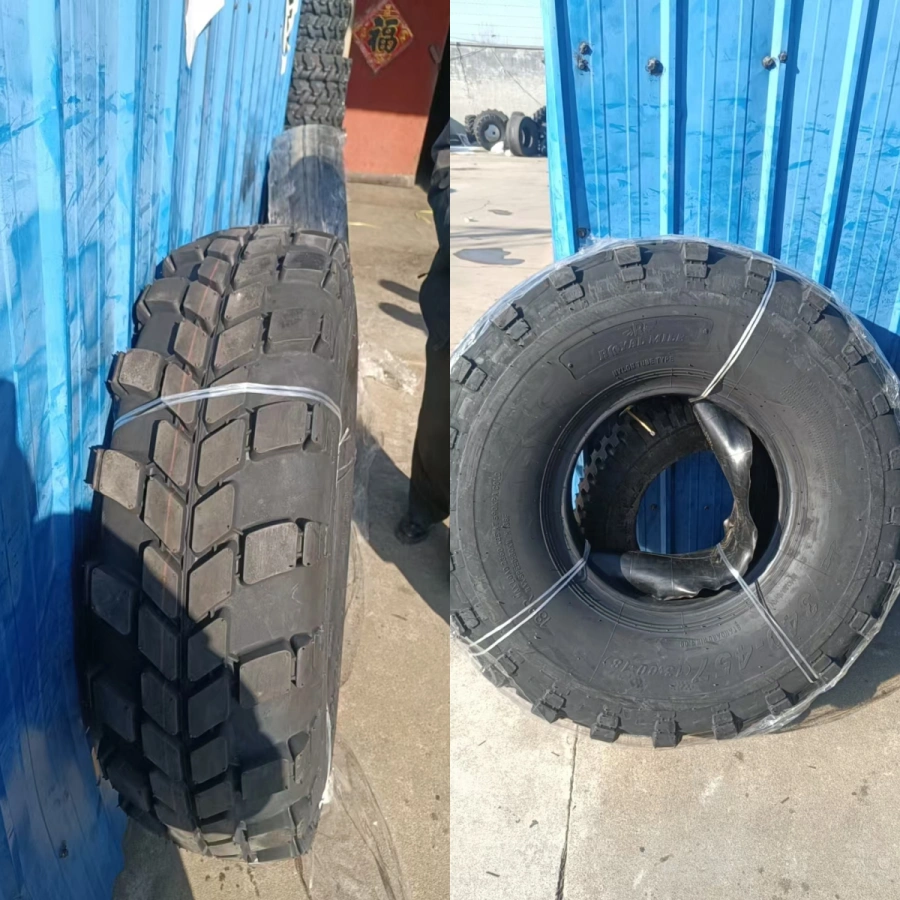
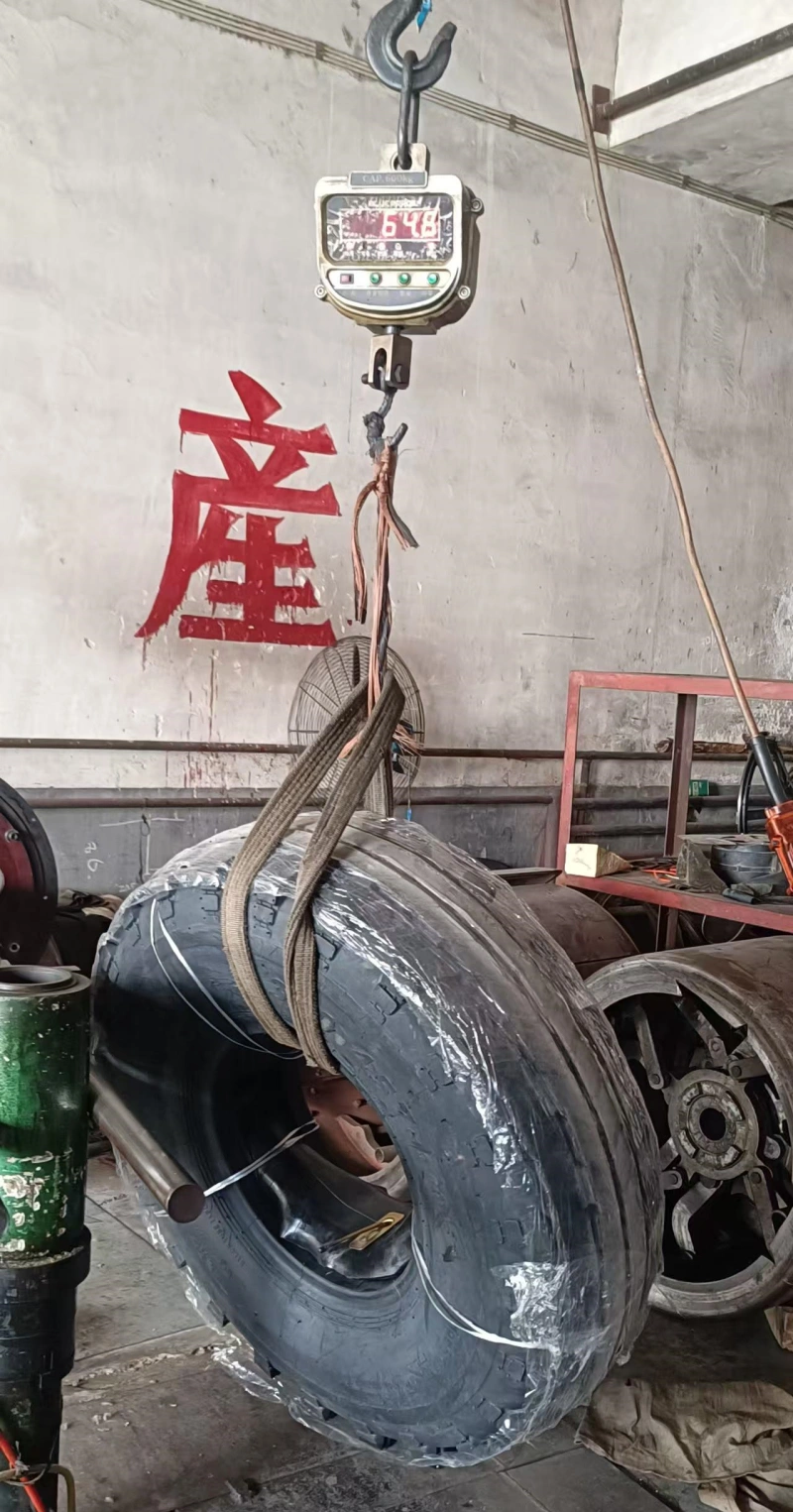
The Military Tire 13.00-18 (340-457) Reinforced Structure, weighing 63kg, is engineered for durability, stability, and long service life. With a reinforced carcass and thickened steel wire construction, this heavy-duty military tire exceeds industry standards and is approximately 10% heavier than many competing models — a deliberate design choice that reflects enhanced material density and structural strength.
High-quality military tires are currently shipping and ready for procurement. This article provides a comprehensive technical and practical overview of this product, including structure, materials, performance advantages, and application scenarios.
1. Product Overview: 13.00-18 (340-457) Military Tire
The 13.00-18 specification refers to:
13.00 inches section width
18 inches rim diameter
Metric equivalent: 340-457
This tire is commonly used for:
Military transport vehicles
Tactical support trucks
Armored logistics vehicles
Off-road engineering vehicles
Specialized defense machinery
At 63kg per tire, it surpasses standard civilian alternatives in structural mass and reinforcement integrity.
Weight in heavy-duty tires is not excess. It is reinforcement.
2. Why Military Vehicles Require Reinforced Tires
Military operations introduce extreme demands:
Heavy payloads
High torque output
Rough terrain impact
Prolonged off-road use
Temperature fluctuations
Extended idle-to-high-speed transitions
Civilian tires prioritize fuel efficiency and comfort.
Military tires prioritize durability and reliability under stress.
Failure is not acceptable in the field.
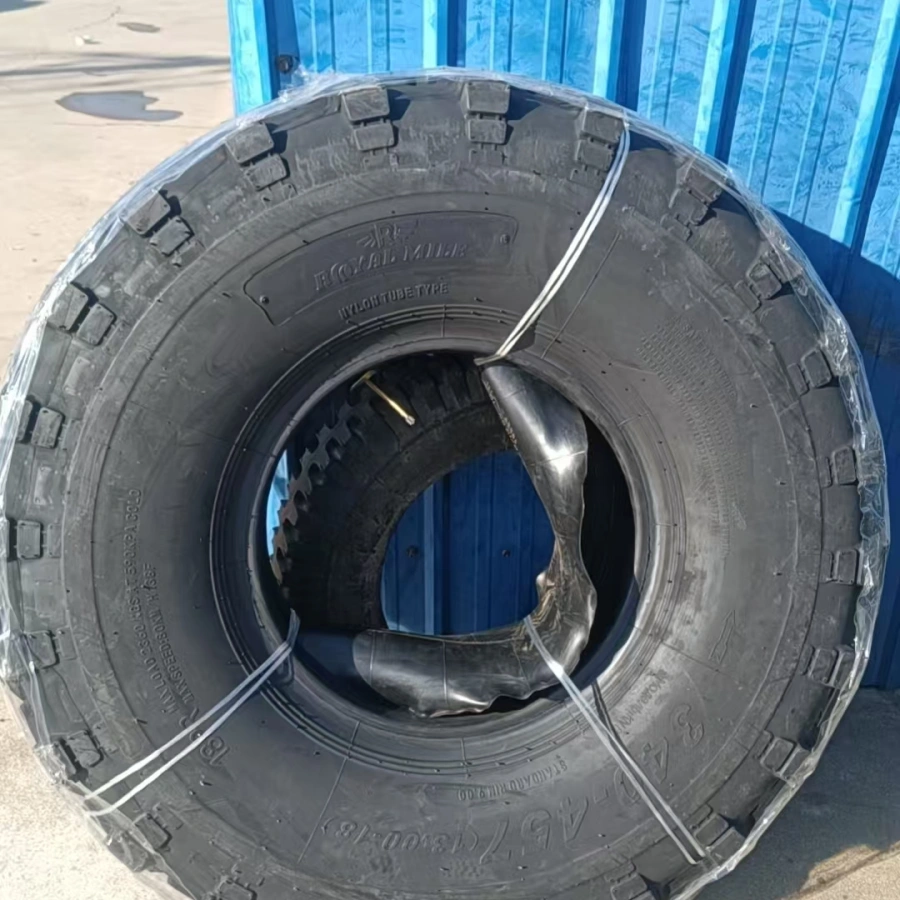
What is Royal Mile tire?
Royal Mile brand tire is typically positioned as a value-oriented tire line designed for practical, everyday driving. The name “Royal Mile” evokes endurance and distance—like the famous historic road in Edinburgh—but in the tire world it usually signals durability and mileage performance rather than luxury.
In most markets, Royal Mile tires are produced as budget or mid-range alternatives to premium global brands. They are commonly manufactured in Asia and distributed through regional wholesalers. The focus is on cost efficiency, stable tread wear, and acceptable all-season traction rather than high-speed or ultra-performance driving.
Technically speaking, these tires are generally radial construction (meaning the internal cord plies run perpendicular to the direction of travel), which improves ride comfort and fuel efficiency compared to older bias-ply designs. The tread compounds are formulated to balance wear resistance and grip, often optimized for urban roads and light highway use.
Royal Mile tires are typically used on passenger cars, compact SUVs, and light-duty vehicles. They are suitable for drivers who prioritize affordability, steady mileage, and basic safety compliance with standard road regulations. We have also made significant breakthroughs in military tires.
As with any tire brand, performance depends on the specific model, load rating, speed rating, and local road conditions. Choosing the correct size and specification always matters more than the logo on the sidewall.
3. Technical Specifications
Below is a general technical reference for the 13.00-18 military reinforced tire:
| Parameter | Specification |
|---|---|
| Tire Size | 13.00-18 (340-457) |
| Weight | 63 kg |
| Structure | Reinforced Bias Construction |
| Steel Wire | Thickened High-Tensile Steel |
| Ply Rating | Heavy-Duty Military Grade |
| Application | Off-road / Tactical / Transport |
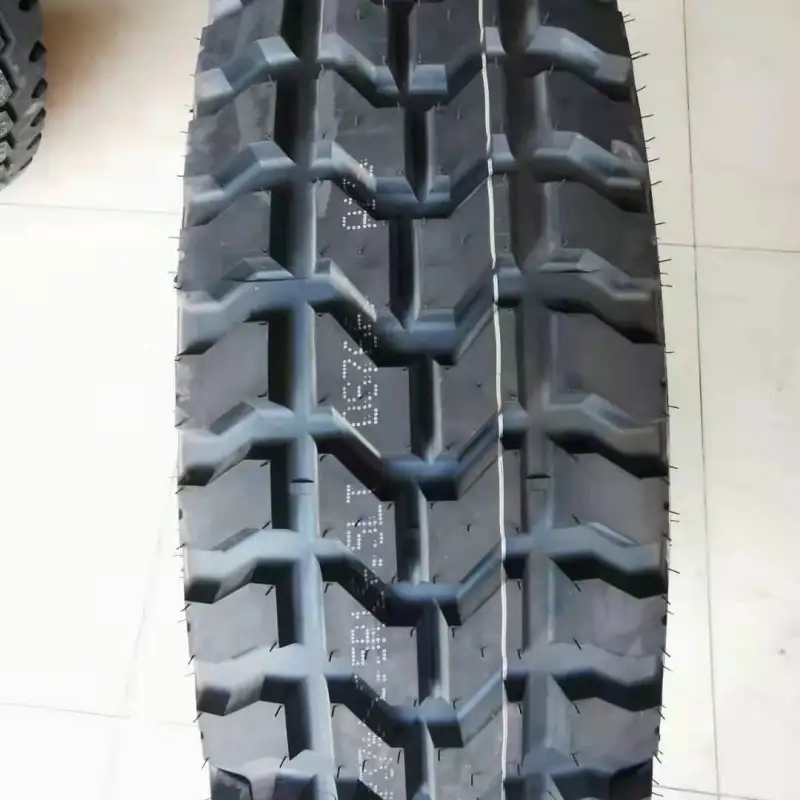
| Tread Type | Deep Lug Aggressive Pattern |
| Load Capacity | Heavy Military Load Class |
| Sidewall | Reinforced Impact-Resistant |
| Rubber Compound | High Durability Military Compound |
Exact load rating and inflation pressure specifications can be customized based on vehicle requirements.
4. Reinforced Structure: Engineering Details
4.1 Thickened Steel Wire Belt
The core strength of this military tire lies in its thickened steel wire reinforcement.
Compared to standard commercial tires:
Steel cords are denser
Tensile strength is higher
Impact resistance is improved
Structural deformation is minimized
Steel wire reinforcement increases:
Puncture resistance
Sidewall stability
Load-bearing capacity
Long-term fatigue resistance
In harsh terrain, rocks do not negotiate. Steel reinforcement answers directly.
4.2 Heavy-Duty Bias Construction
Bias construction allows:
Stronger sidewalls
Better shock absorption
Improved durability on uneven terrain
While radial tires offer smoother highway performance, bias military tires are preferred for extreme off-road conditions due to structural rigidity.
4.3 10% Heavier Than Competitors
This tire weighs approximately 10% more than similar products in the market.
Why does that matter?
More weight in heavy-duty tires usually means:
Thicker rubber layers
Denser reinforcement
Stronger internal ply structure
Enhanced protection against cuts and impacts
Material density directly influences durability.
Lighter is not always better.
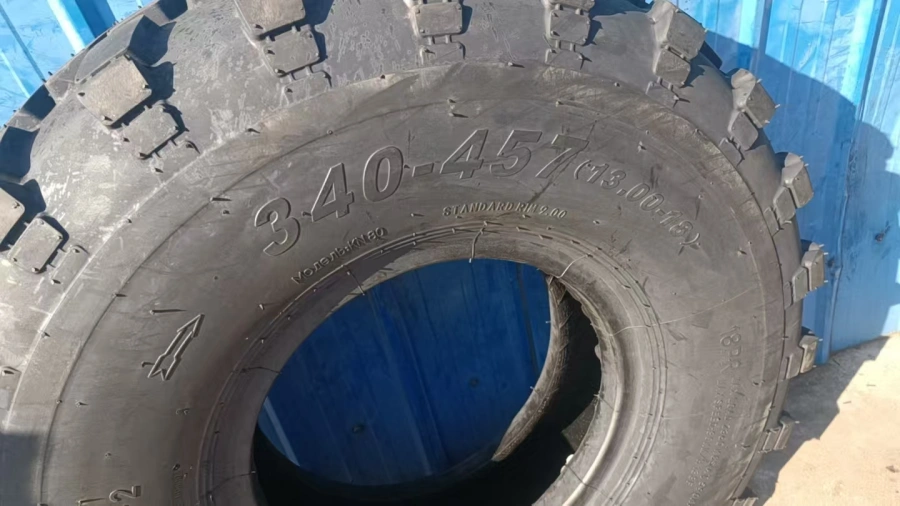
5. Tread Pattern Design
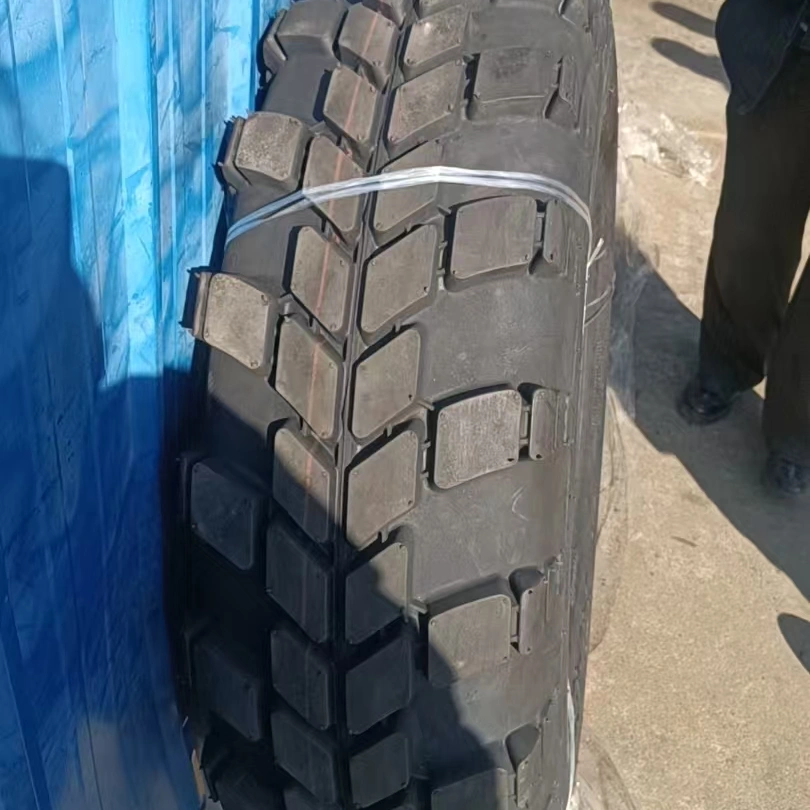
The 13.00-18 military tire features a deep, aggressive tread design optimized for:
Mud traction
Loose gravel grip
Sand mobility
Uneven terrain stability
Key design features:
Wide tread blocks
Deep groove channels
Self-cleaning pattern
Enhanced shoulder lugs
This ensures:
Strong forward traction
Reduced slippage
Improved braking control
Stability under torque
Mobility is survival in military operations.
6. High-Performance Rubber Compound
The rubber compound is engineered for:
Abrasion resistance
Heat resistance
Low cracking tendency
Extended tread life
Military tires must endure:
Long idle periods
Rapid acceleration
Load fluctuations
Harsh environmental exposure
The compound is formulated to resist:
Ozone damage
UV degradation
Surface cracking
Longevity reduces replacement frequency and operational downtime.
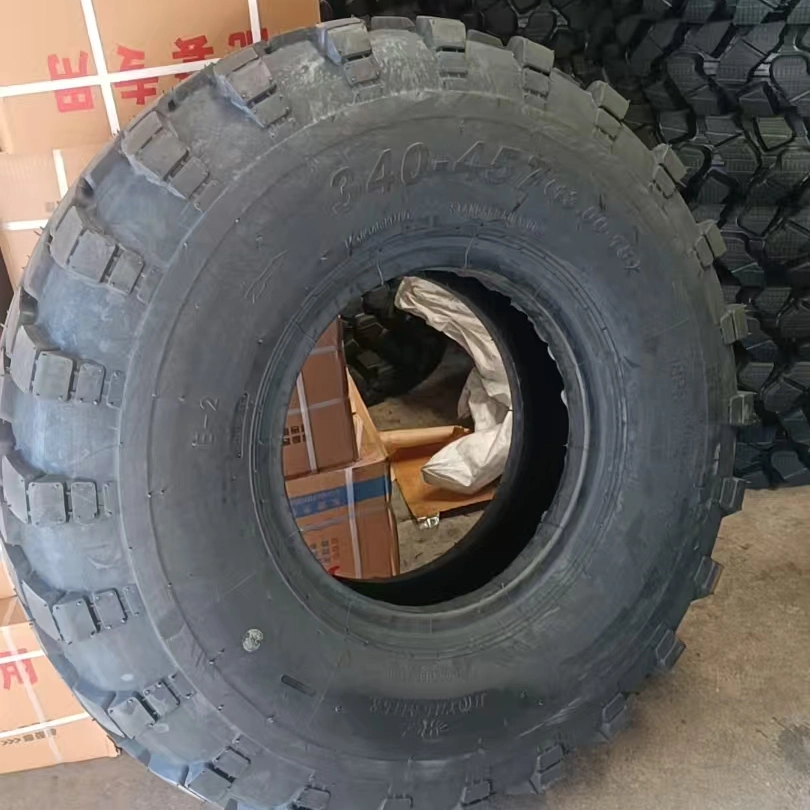
7. Application Scenarios
7.1 Tactical Military Transport Vehicles
Used in:
Troop carriers
Cargo transport trucks
Engineering support vehicles
Strong load capacity ensures safe transport under heavy equipment loads.
7.2 Off-Road Military Operations
In desert or mountainous terrain, traction determines maneuverability.
Deep lug design ensures:
Grip on sand
Control on rocks
Stability in mud
7.3 Industrial and Defense Engineering Vehicles
Also suitable for:
Construction equipment
Emergency response vehicles
Oil field support vehicles
Mining trucks in rugged terrain
Heavy reinforcement ensures stable operation.
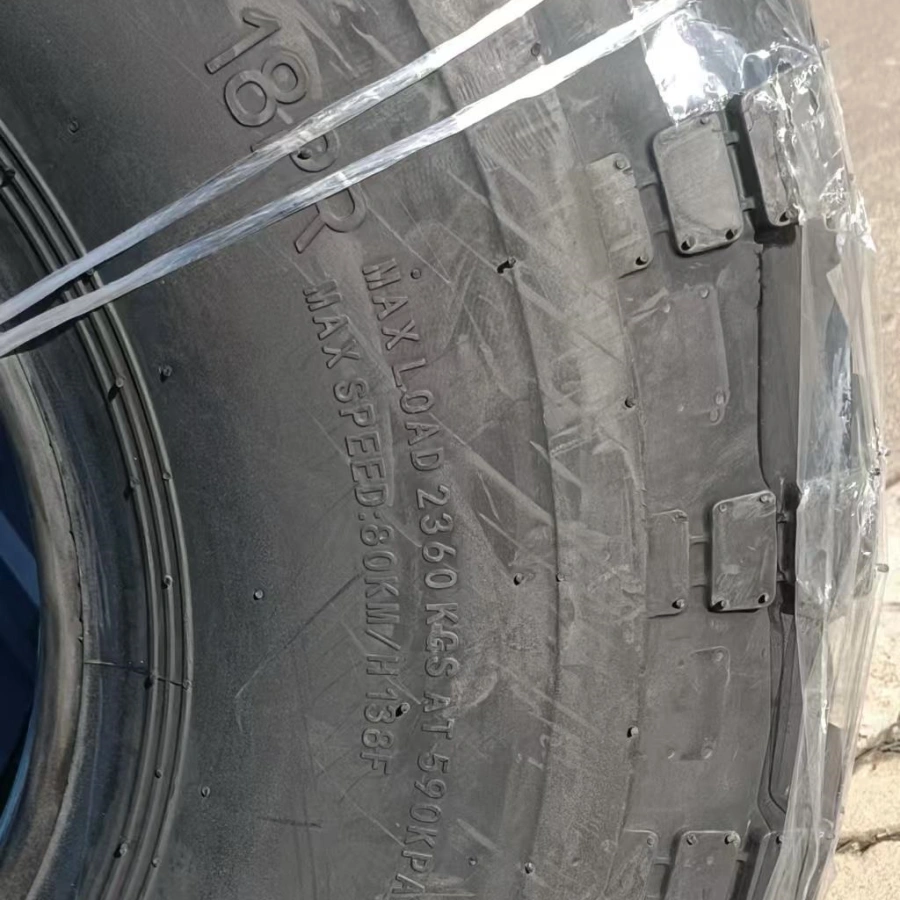
8. Advantages Over Standard Commercial Tires
| Feature | Military 13.00-18 | Standard Commercial |
|---|---|---|
| Weight | 63kg (10% heavier) | Lighter |
| Reinforcement | Thickened steel wire | Standard reinforcement |
| Sidewall Strength | High impact resistance | Moderate |
| Terrain Capability | Extreme off-road | Mixed |
| Durability | Long lifespan | Shorter lifespan |
Military-grade design focuses on durability first.
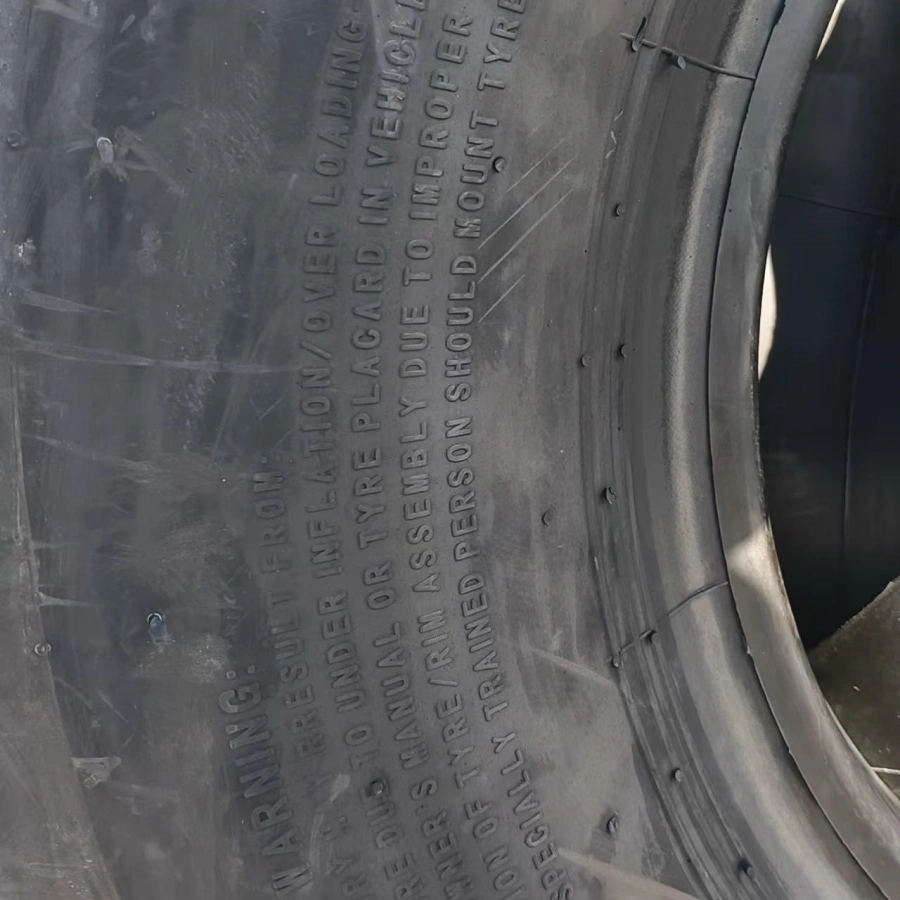
9. Performance in Extreme Conditions
9.1 High Temperature Operation
Reinforced structure resists heat buildup under load.
9.2 Cold Climate Operation
Flexible compound reduces cracking in low temperatures.
9.3 Heavy Load Stability
Strong carcass reduces deformation under high weight.
Consistency is key in tactical mobility.
10. Quality Control and Manufacturing Standards
High-quality military tires undergo:
Raw material inspection
Steel wire tensile testing
Dynamic balance testing
Load endurance testing
Air retention testing
Impact resistance testing
Manufacturing precision ensures structural integrity.
A military tire must not fail under pressure — literally.
11. Logistics and Shipping
This military tire is currently in production and shipping.
Advantages include:
Bulk supply capability
Stable production capacity
Reliable export packaging
Global shipping support
Each tire is securely packed to prevent deformation during transport.
12. Procurement Advantages
Choosing a reinforced 63kg military tire provides:
Extended service life
Lower long-term replacement cost
Reduced maintenance downtime
Improved vehicle stability
Enhanced operational reliability
In procurement decisions, total lifecycle cost matters more than initial price.
13. Why Weight Reflects Quality in Military Tires
In high-performance automotive sectors, lighter can mean faster.
In military and heavy-duty environments, heavier often means stronger.
The 10% additional weight reflects:
Thicker tread depth
Denser internal structure
Greater steel reinforcement
Increased puncture protection
Mass equals durability in extreme conditions.
14. Maintenance Recommendations
To maximize tire life:
Maintain correct inflation pressure
Conduct regular tread inspection
Rotate tires periodically
Avoid prolonged overload
Store in dry, shaded conditions
Proper maintenance extends performance.
15. Competitive Advantage in Global Market
The 13.00-18 reinforced military tire stands out because:
It exceeds average competitor weight
Uses thickened steel wire
Is engineered for heavy tactical use
Offers durable performance
Is available for immediate shipment
Buyers seeking high-strength, reliable military tires benefit from choosing products designed beyond minimum specification requirements.
16. Customization Options
Available upon request:
Custom tread pattern
Reinforced sidewall thickness adjustments
Military-specific load ratings
Branding and marking customization
Bulk packaging solutions
Flexible production supports varied defense and industrial needs.
17. Long-Term Operational Benefits
For military and industrial fleet operators, tire durability directly impacts:
Mission reliability
Maintenance budgets
Operational readiness
Vehicle safety
Replacing fewer tires reduces:
Downtime
Labor costs
Supply chain dependency
Durability compounds over years.
18. Conclusion
The Military Tire 13.00-18 (340-457) with reinforced structure and thickened steel wire is engineered for high-demand environments.
Weighing 63kg, approximately 10% heavier than comparable models, it represents enhanced structural integrity and material density.
It delivers:
Strong load capacity
Superior puncture resistance
Deep traction performance
Long operational lifespan
Reliable durability in extreme terrain
For tactical vehicles, industrial heavy equipment, and off-road military transport, this high-quality reinforced military tire is currently shipping and available for procurement.
When durability matters more than comfort,
When reliability matters more than cost cutting,
When strength determines success —
Choose reinforced structure.
Choose thickened steel wire.
Choose performance built for mission-critical environments.
High-quality military tires are ready for dispatch.
Bulk orders are welcome.
Engineered strength, now available.